Summer’s Healing Herbs: Nature’s Medicine in Full Bloom (UK Edition) 

logo

As the wheel of the year turned last month and we bask in the full light of summer, nature offers us her most vibrant, energising gifts. This is a season of action — of long days, creative fire, motivation, and expression. It’s when we feel more outward-facing, social, and driven. In the world of Ayurveda, summer aligns with the Pitta dosha — connected to transformation, clarity, and a powerful life force.

Amidst all this activity, it’s wise to stay connected to nature’s rhythms and support our body’s balance with the cooling, soothing, and gently energising herbs that grow abundantly at this time. They can help us manage the fiery heat — both physical and emotional — that summer sometimes stirs within us.

Below I’m sharing some of my favourite summertime herbs — ones I love to use in teas, oils, tinctures, and simple daily rituals to stay grounded, nourished and well in this vibrant season.

Calendula (Calendula officinalis)

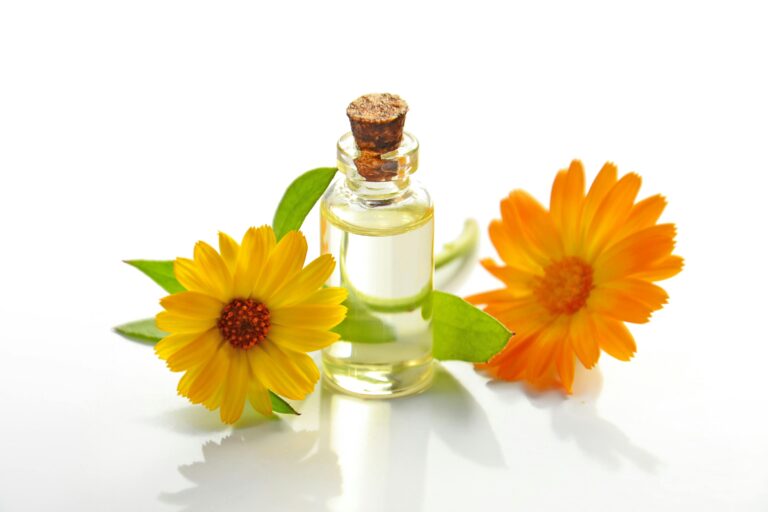
A glass bottle of aromatic oil with chamomile flowers on a white background.

With its bright orange or yellow petals, calendula is a sunshine-filled herb for both the skin and the soul.

Key benefits:

Skin healing: Anti-inflammatory and antimicrobial, it’s a go-to for cuts, grazes, minor burns, insect bites, and rashes.

Lymphatic support: Helps stimulate the lymphatic system, supporting gentle detoxification.

Womb wisdom: Calendula’s gentle energetics support the womb — helpful for irregular or painful periods.

I love to infuse calendula flowers into oil during the summer months to create healing balms and salves. It also makes a beautifully soothing herbal tea, especially when blended with lemon balm or chamomile.

Lavender (Lavandula angustifolia)

Stunning purple lavender field at twilight, capturing nature's beauty and tranquility.

The scent of lavender instantly evokes peace and presence — one of the most beloved herbs for calming the nervous system.

Key benefits:

Nervous system tonic: Reduces anxiety, restlessness, and supports deep sleep.

Antimicrobial: Can be used in natural cleaning, skincare, and to soothe insect bites.

Digestive aid: Helps relieve bloating and digestive discomfort, especially when stress-related.

I often use a few drops of organic lavender essential oil in my diffuser during meditation, or steep the flowers in a calming evening tea. A spritz of lavender hydrosol water is also a cooling treat on hot summer days.

Lemon Balm (Melissa officinalis)

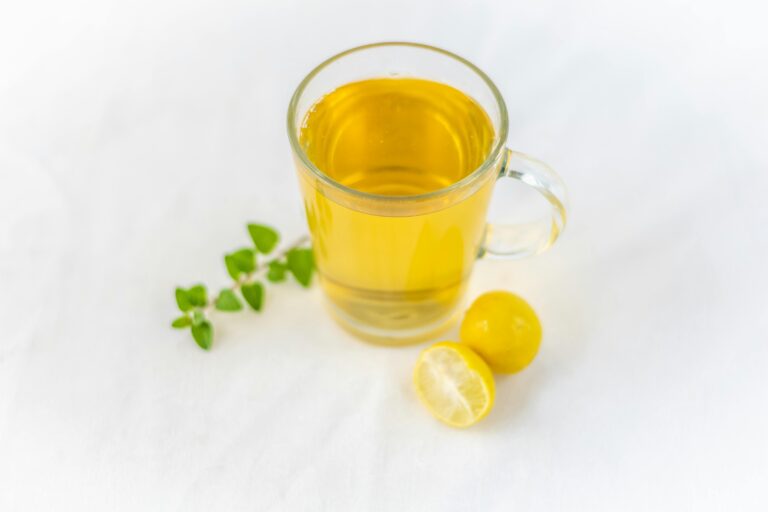
A clear glass of lemon herbal tea accompanied by fresh herbs on a white surface, offering a refreshing drink.

One of my favourite herbs for gentle emotional support, lemon balm is uplifting, nurturing and deeply soothing.

It is a perennial herb in the mint family, and actually looks alot like mint.

Key benefits:

Mood lifter: Eases symptoms of anxiety and low mood.

Supports digestion: Especially helpful when digestion is impacted by emotional upset.

Anti-viral: Traditionally used for cold sores and viral infections.

Its delicate lemony taste makes it a wonderful herbal infusion on its own or with mint and chamomile. I see lemon balm as a “heart herb” — its energy is so light, loving and comforting.

Mint (Mentha spp.)

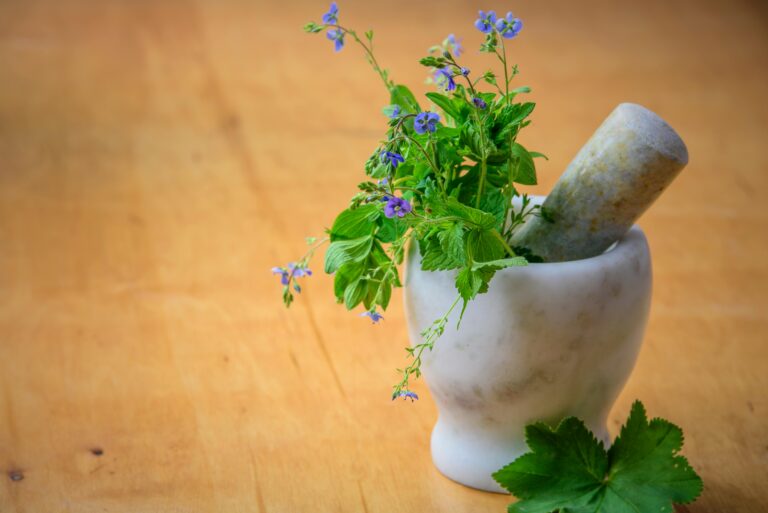
Marble mortar and pestle with fresh herbs and flowers on wooden table enhancing natural health and cooking aesthetics.

Mint is the herb of clarity and coolness. It spreads enthusiastically in gardens — just as its energy spreads clarity through the mind and refreshment through the body.

Key benefits:

Digestive soother: Eases bloating, gas, and indigestion.

Cognitive clarity: Invigorates the senses and awakens the mind.

Cooling: Perfect for hot, humid days or menopausal heat.

Try a fresh mint infusion on a warm day, or add it to chilled water with cucumber and lemon for a revitalising summer tonic.

Yarrow (Achillea millefolium)

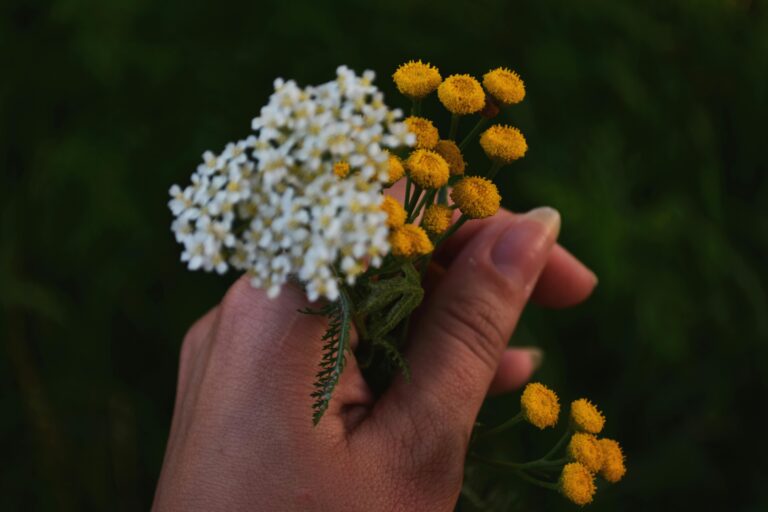
A hand holds wildflowers, featuring white yarrow and yellow tansy blooms.

Yarrow is an ancient healing herb with strong warrior energy — both protective and purifying.

Key benefits:

Wound healer: Stops bleeding and helps wounds knit together.

Feminine balance: Supports healthy menstrual flow and womb healing.

Circulatory tonic: Helps regulate blood flow and can aid varicose veins.

Traditionally, yarrow was carried for protection. I often dry the leaves and flowers to use in healing blends or foot baths, especially when I feel energetically depleted or scattered.

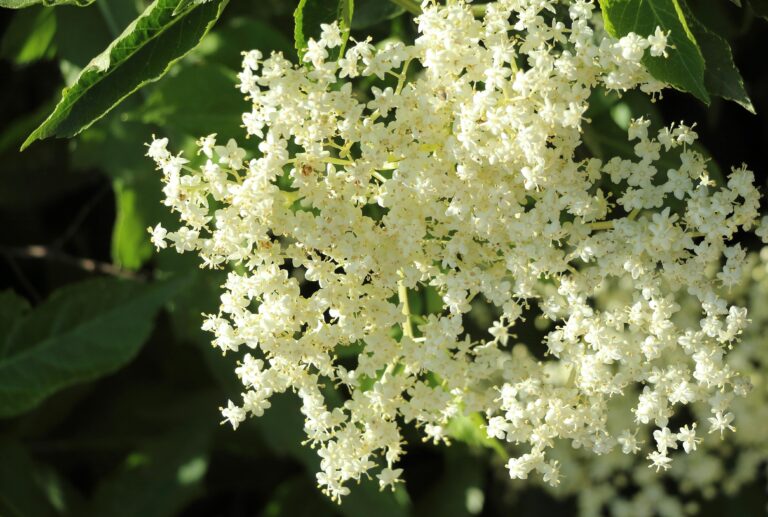
Elderflower (Sambucus nigra)

Close-up of white elderflower blossoms in natural sunlight, capturing detail and freshness.

The creamy-white blossoms of the elder tree signal high summer and are rich in folkloric wisdom.

Key benefits:

Immune support: High in antioxidants and anti-viral compounds.

Clears congestion: A natural decongestant for colds, hay fever, and sinus infections.

Skin loving: Gently toning and soothing in facial steams or lotions.

Elderflower cordial is a seasonal favourite, but I also love using the dried flowers in tea blends with peppermint and lemon balm for allergy relief and immune support.

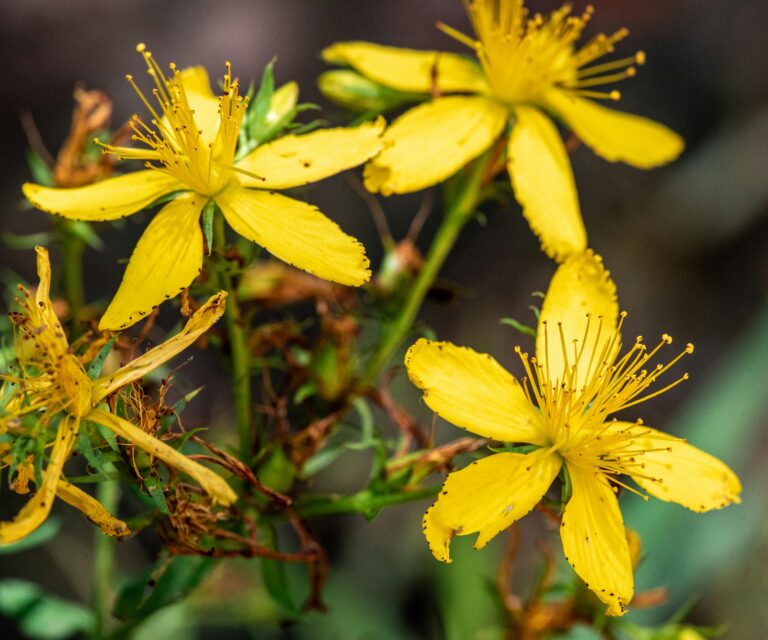
St John’s Wort (Hypericum perforatum)

Macro shot of blooming yellow St. John's Wort flowers with vivid color and texture.

Traditionally harvested on or around the summer solstice, this radiant herb carries the energy of the sun.

Key benefits:

Nervous system ally: Supports mild to moderate depression and nervous exhaustion.

Nerve repair: Used topically to soothe nerve pain and inflammation.

Solar spirit: Brings warmth, light, and a sense of hope.

St John’s Wort oil — made by steeping the flowers in olive oil — turns a deep red and is beautiful for massaging into sore muscles or joints. Internally, it must be used with caution and knowledge due to interactions with certain medications.

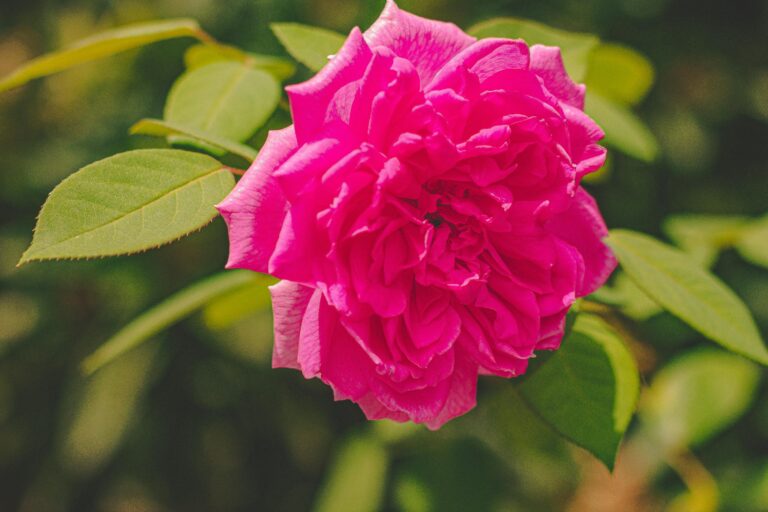
Rose (Rosa damascena & Rosa centifolia)

Close-up of a vibrant pink damask rose blooming outdoors with lush green leaves.

The queen of flowers, rose is one of the most revered botanicals across cultures — cherished for her beauty, scent, and deeply healing, heart-nourishing qualities. In Ayurveda, rose is considered tridoshic — balancing for all doshas — but especially soothing for Pitta, making it a perfect summer-time remedy.

Key benefits:

Cools the body and emotions: Helps reduce heat, inflammation, and Pitta imbalances such as irritability or fiery emotions.

Opens the heart: Emotionally restorative, it gently supports grief, sadness, and heartache.

Tones skin: Rose water is a natural toner, hydrating and balancing for all skin types, especially in summer.

I love working with rose in so many ways — from sipping a chilled rose and hibiscus tea on hot days, to misting my face with rose hydrosol, or blending rose petals into homemade face masks or herbal oils. Energetically, rose is a reminder of softness, self-love, and the beauty of being open-hearted, even in the fullness of summer’s heat and activity.

Rose Ritual for Summer: Cooling, Heart-Opening & Soul-Nourishing

In the height of summer, when the days are long, the sun is strong, and our inner fire is at its peak, rose invites us to soften. To stay connected to the heart. To cool, soothe, and centre.

This ritual is designed to bring you back into balance — body, mind and soul — using the healing power of rose.

 You will need:

A handful of dried or fresh rose petals (organic if possible)

Rose water or hydrosol

A bowl of cool water or foot bath

Optional: a journal, your favourite crystal (rose quartz is lovely), a candle, soft music


 The Ritual:

  1. Create your space

Choose a quiet spot, indoors or outdoors. Light a candle or burn gentle incense if you wish. Set an intention: “I return to my heart. I honour my feminine energy. I soften into summer’s flow.”

  1. Rose foot soak or face splash

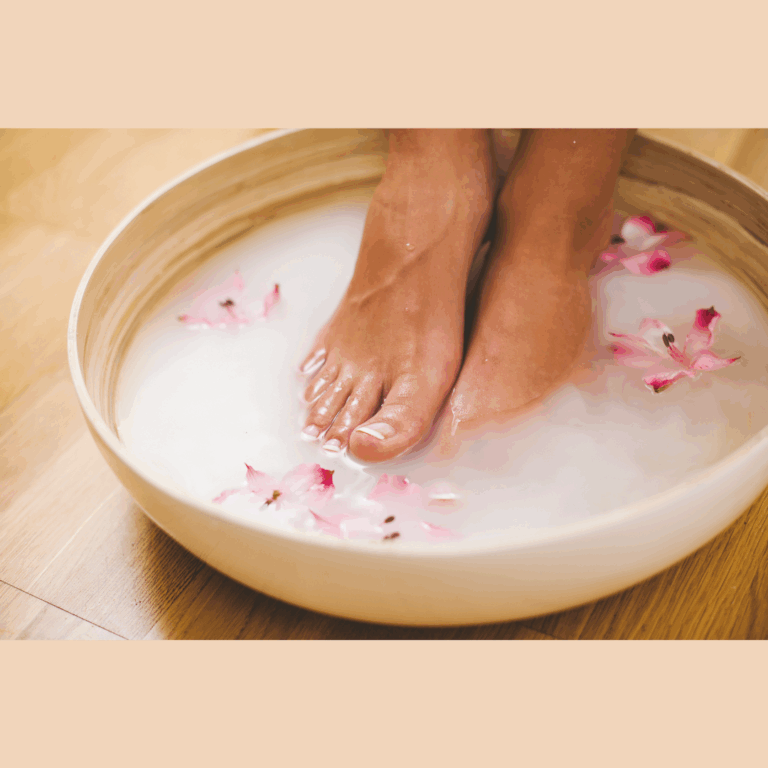
Add rose petals to a bowl of cool water. You can use it as a foot soak to ground and cool your energy, or as a refreshing splash for your face and neck. Breathe deeply as you do this — inhale the scent, exhale any heat or tension.

  1. Mist and anoint

Spritz your face and heart space with rose water or hydrosol. If you like, place a few drops on your wrists or behind your ears. Allow the energy of rose wrap you in softness and peace.

  1. Heart reflection

Sit with your journal or simply reflect:

What does my heart need right now?

Where can I soften in my life?

How can I nurture myself this summer?

  1. Close with gratitude

Place your hands over your heart. Whisper a few words of gratitude — to yourself, to the rose, to the season. “I am held. I am whole. I bloom in my own time.”

 Why Rose?

In Ayurveda, rose is one of the ultimate Pitta-pacifying plants — cooling excess heat in the body and calming fiery emotions like anger, irritation or overwhelm. It also uplifts the heart, nourishes feminine energy, and reminds us that strength and softness can co-exist.

Rose ritual for summer

A Gentle Reminder

While these herbs are time-honoured allies and can offer profound healing, always remember that herbal medicine is potent and not always suitable for everyone. If you are pregnant, breastfeeding, on medication, or managing any medical conditions, please consult a qualified herbalist or healthcare professional before using any herbal remedies internally.

Each of us is unique, and herbs work best when we honour our body’s needs and listen to its subtle cues.

Closing Words from the Garden …

There is something incredibly empowering and beautiful about working with the plants that grow naturally around us. These herbs are more than just remedies — they are companions, guides, and reminders of the deep intelligence of nature.

Whether you brew them into tea, infuse them into oil, or simply pause to admire their beauty as you walk in nature — I invite you to connect with these summertime allies. May their presence soothe your nervous system, open your heart, and nourish your body from the inside out.

With love and wild herb blessings,

Corinne xxx

Girl leaning against a tree trunk