What the Harvest Season Can Teach Us About Nourishment, Presence & Gratitude

There is something quietly different about late summer.
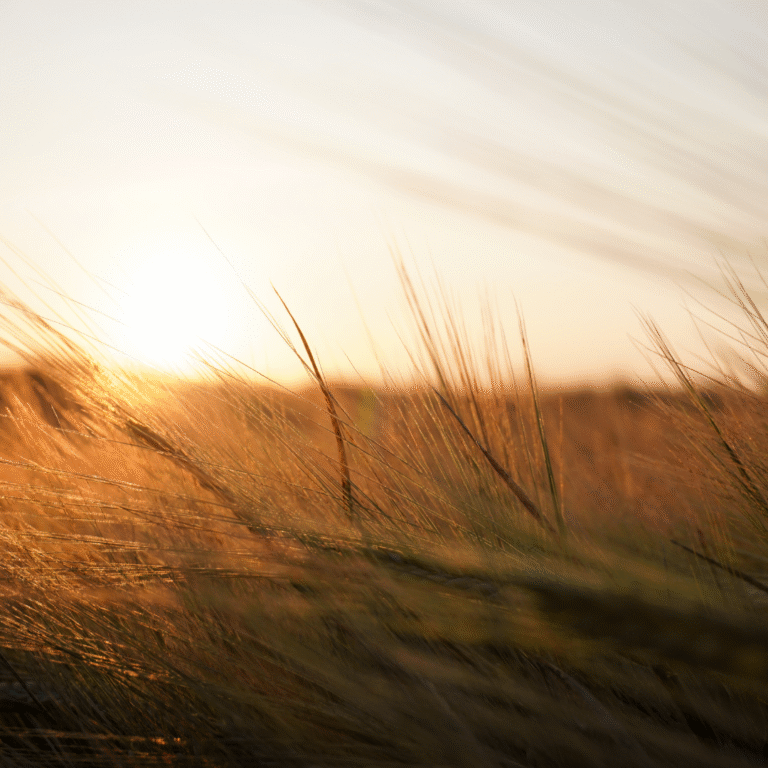
Unlike the fresh optimism of spring or the golden spectacle of autumn, this season rarely demands our attention. It arrives gently, almost unnoticed. The days are still warm, gardens remain abundant with colour, and yet there is a subtle sense that something is beginning to change. The evenings soften, the morning air carries a hint of coolness, and the hedgerows gradually become heavy with blackberries, elderberries and ripening fruit.
Nature is no longer striving to grow.
Instead, it begins to gather.
It is a season of harvest, of ripening and receiving; a gentle reminder that life is not only about planting new seeds, but also about recognising and appreciating what has already come to fruition.
In our modern lives, this can be surprisingly easy to overlook. Summer often disappears in a blur of holidays, social plans and long to-do lists, before our attention quickly turns towards September, new routines and everything that comes next. Yet nature seems to whisper something entirely different.
Pause.
Take stock.
Receive.
There is wisdom in this season if we are willing to notice it.
Unlike spring, which encourages us to begin, or autumn, which so often speaks of letting go, late summer invites us to pause and acknowledge what has already come to fruition. Before rushing towards the next season, it offers us a rare opportunity to recognise the quiet harvests of our lives, many of which have been unfolding unnoticed for months.
The Quiet Wisdom of Harvest
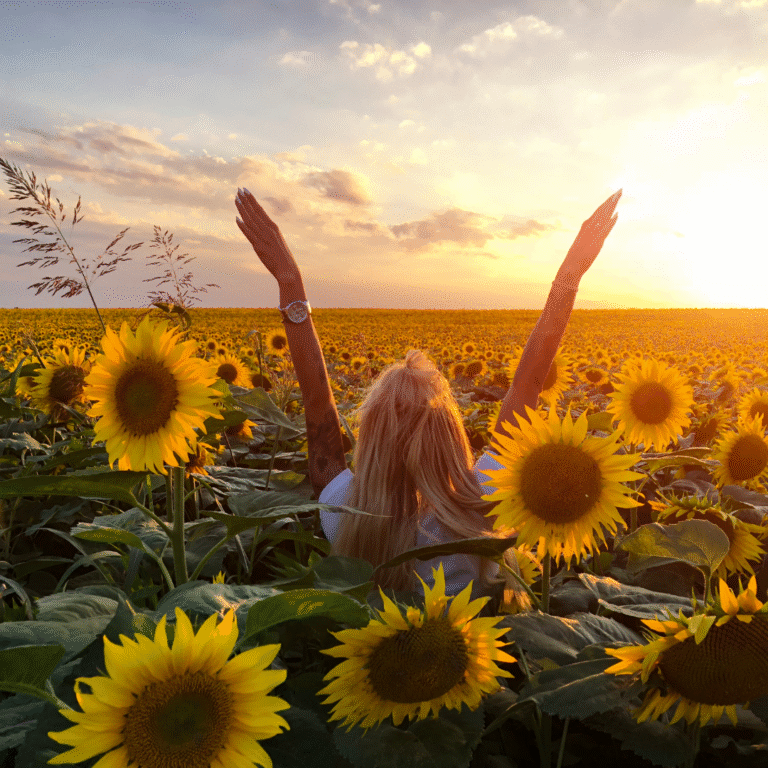
For centuries, communities marked this time of year with harvest festivals, giving thanks for the abundance of the land before the turning of the seasons. Lammas, traditionally celebrated on the first of August, honoured the first grain harvest and reminded people of their relationship with the earth and the cycles that sustained them.
Although many of us no longer live so closely with these rhythms, I believe something within us still recognises them.
There is a quiet satisfaction that comes from gathering what has ripened, whether that is food from a garden, herbs from a windowsill, or the less tangible harvests of our own lives. Growth is not always obvious whilst it is happening. Like fruit slowly ripening on the branch, much of our own transformation unfolds gradually, often without us noticing until we pause long enough to look back.
Late summer invites us to ask a different kind of question. –“What has already grown?”
Rather than constantly looking ahead, this is a season that gently turns our attention towards what has already been cultivated, both around us and within us.
The answers are rarely measured in achievements alone. They may be found in greater resilience, deeper self-awareness, stronger relationships, or simply in the quiet ways we have learned to care for ourselves a little more kindly.
Nourishment Beyond the Plate
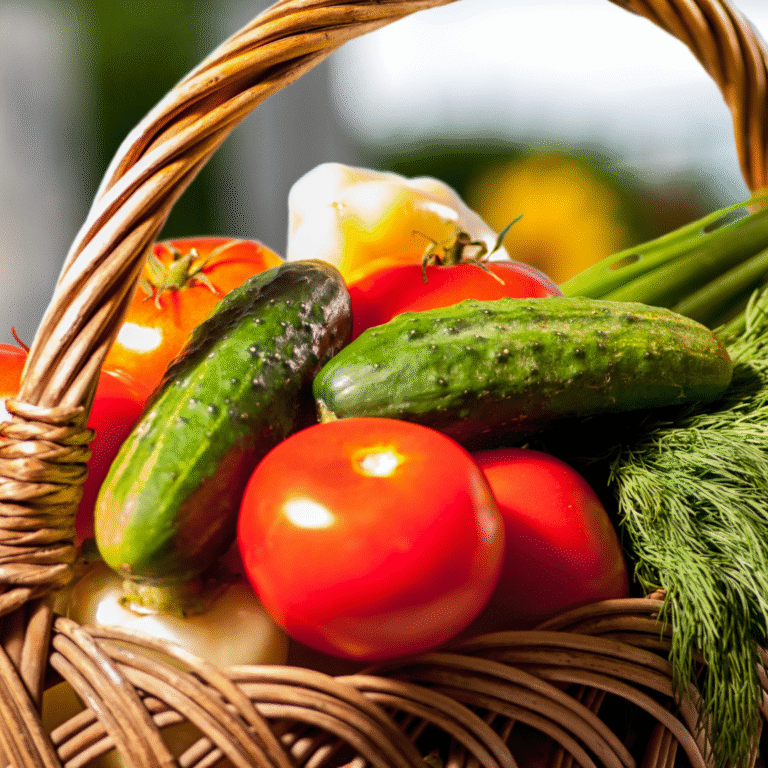
One of the things I love most about this time of year is that my parents’ allotment is overflowing with produce.
Every few days my dad appears with another generous delivery of sun-ripened tomatoes, cucumbers, runner beans and, inevitably, a rather impressive collection of courgettes! By August I find myself wondering how many different ways one vegetable can possibly be transformed. They find their way into soups, curries, roasted vegetable dishes, salads and fritters, I even have a cake recipe which incorporates courgettes! Before long the plums and figs will be starting to arrive too, which I am really looking forward to.
There is something deeply comforting about unpacking a bag of freshly picked vegetables that were growing in the soil only hours earlier. Their colours seem brighter, their flavours richer and somehow they carry with them the quiet generosity of the season itself.
Receiving these weekly gifts has become one of my favourite rituals of late summer; a simple reminder that abundance often arrives through the care and generosity of others.
Of course, seasonal food nourishes us because it is genuinely fresh. Fruit and vegetables picked at their natural peak are often richer in flavour and nutrients than produce that has travelled long distances or spent weeks in storage. Yet I believe there is another kind of nourishment taking place too.
When we eat with the seasons, we gently reconnect with the rhythm of the natural world. We begin to notice what is arriving, what is fading, and what each season naturally offers. Food becomes more than fuel; it becomes another way of participating in the living cycles of nature.
This may be one of the reasons preparing seasonal meals can feel so deeply satisfying. We are not simply feeding ourselves. We are participating in a relationship that has quietly sustained humanity for generations.
The Wisdom of Nature's Pharmacy
Late summer also offers an abundance of medicinal plants that have long been treasured within herbal traditions.
Calendula continues to flower generously, yarrow still carpets roadside verges, aromatic herbs flourish in gardens, while blackberries, elderberries and rosehips slowly ripen in the hedgerows. Many of these familiar plants have been valued for generations, finding their way into both our kitchens and traditional herbal remedies.
Long before we had pharmacies on every high street, people looked to the plants growing around them for nourishment and healing. Many of these herbs were gathered not only for cooking, but also to support digestion, immunity, the nervous system and overall wellbeing. Although modern medicine has transformed our lives in remarkable ways, there is still something deeply grounding about recognising the quiet abundance that nature continues to offer.
There is something wonderfully grounding about learning the names of the plants that grow nearby. They remind us that nature is not separate from our wellbeing; it has always been one of our greatest teachers.
Returning to Rhythm
Late summer often carries a gentler rhythm than the rest of the year. Holidays, long evenings and time spent outdoors naturally draw us away from our usual routines. There is something deeply restorative about that freedom, yet as August unfolds we may also begin to notice an invitation to ground ourselves once more.
In Ayurveda, daily rhythm is considered one of the foundations of good health. Small, consistent rituals help regulate our nervous system, support digestion and create a sense of steadiness as the seasons begin to change.
Returning to rhythm doesn’t have to mean filling the diary or becoming more productive. It can be as simple as preparing a nourishing meal, taking an evening walk, enjoying a cup of herbal tea in the garden or sitting quietly for a few moments before the day begins. These small acts gently prepare us for the transition into autumn whilst helping us remain present enough to appreciate the season we are still in.
The Season of Receiving & Gratitude
One of the greatest gifts late summer offers us has nothing to do with productivity.
It is contentment.
The apple tree does not compare itself to the blackberry bush. The tomato plant is not trying to produce spring blossoms before its time. Each simply fulfils its own nature, trusting the rhythm it has always known.
There is a quiet lesson in that.
Many of us spend so much of our lives reaching for the next goal that we forget to acknowledge what is already here. Yet harvest is, by its very nature, a season of receiving. It asks us to pause before rushing into the next chapter and simply recognise what has already been given.
Gratitude grows most naturally when we allow ourselves to notice.
Every harvest also marks a new beginning. By recognising what has ripened, we naturally create space for whatever is waiting to emerge next. Growth and gratitude are not separate; one quietly gives rise to the other.
Bringing the Season to Your Table
One of my favourite late summer rituals begins with unpacking whatever my dad has brought from the allotment that week. There is no meal plan waiting. I simply wash the vegetables, pick a handful of fresh herbs and allow the season itself to suggest what might come next.
Some evenings it becomes a warming soup. Other days it’s a colourful salad or a tray of roasted vegetables with some lentils on the side, shared with family. There is something deeply satisfying about cooking in this way; less following a recipe and more responding to what nature has already provided.
If you’re looking for a little inspiration, here are three simple ways to enjoy some of late summer’s abundance and bring the season to your own table.
Garden Courgette & Herb Soup – A simple, nourishing bowl celebrating the abundance of late summer.
A simple blend of courgettes, onion, garlic and vegetable stock finished with fresh basil, parsley and a swirl of natural yoghurt or oat cream. Serve with toasted sourdough and a drizzle of good olive oil.
Roasted Harvest Vegetables – Slow-roasted with fresh herbs to bring out the natural sweetness of the season.
Tomatoes, courgettes, peppers and red onion tossed with olive oil, thyme and rosemary, then roasted until sweet and caramelised. Delicious served with quinoa, lentils or grilled halloumi.
Late Summer Garden Salad – Fresh, colourful and full of vitality, requiring little more than good olive oil, lemon and a handful of herbs.
Sun-ripened tomatoes, cucumber, rocket, fresh mint and parsley, scattered with toasted pumpkin seeds and dressed simply with extra virgin olive oil and fresh lemon juice. Fresh, vibrant and full of the flavours of the season.
If you’d like to discover more of the beautiful herbs that flourish throughout the British summer, I’ve also written a companion article exploring some of our favourite seasonal healing plants and how they can support our wellbeing. You can read it here: Summer’s Healing Herbs: Nature’s Medicine In Full Bloom (UK Edition)

A Gentle Invitation
As the season slowly begins to turn, there is no need to rush ahead into autumn. Late summer still has gifts to offer…
An evening walk while the light lingers a little longer.
A handful of blackberries gathered from a country hedgerow.
Fresh herbs picked for supper.
A shared meal around the table.
A quiet moment of gratitude for all that has grown, both in the garden and within ourselves.
Nature never hurries the harvest. It simply trusts the season. The earth never rushes from one season to the next. It honours each stage fully before moving on, and there is wisdom in allowing ourselves to do the same.